
A Complete Guide to Understanding the Real Cost of That Golden Glow
That sun-kissed glow looks amazing in photos. It makes many people feel confident and attractive. Yet that beautiful tan comes with hidden costs your skin pays for years. This article reveals why tanning is not the healthy sign you might think. You will discover real risks, busted myths, and smarter ways to feel great in your skin.
The Allure of Tanning: Why We Chase It
Summer arrives. Everyone wants that radiant, bronzed look. Social media shows celebrities and influencers glowing with perfect tans. You might think a little color makes you look healthier and more attractive.
This desire feels natural. Yet your skin tells a different story. A tan is actually your skin’s emergency response to UV damage. It is not a sign of health. It signals that your skin cells have been injured and are trying to protect themselves.
Understanding this truth changes everything. You can still enjoy summer. You can feel confident. But you can do it without risking your long-term health and appearance.
What Really Happens to Your Skin When You Tan
Ultraviolet rays from the sun or tanning beds penetrate your skin. They damage DNA in skin cells. Your body reacts by producing more melanin – the pigment that darkens your skin.
This process seems harmless at first. But repeated damage builds up over time. It leads to photoaging and raises serious health risks. Even if you tan easily without burning, the invisible damage continues.
Real-life example: Sarah, 28, tanned regularly for beach vacations. She rarely burned. At 34 she noticed deep wrinkles around her eyes and dark spots on her chest. Her dermatologist explained that years of tanning caused early photoaging. Sarah now follows safer habits and protects her skin daily.
Major Health Risks of Tanning
Increased Skin Cancer Risk
Tanning significantly raises your chances of developing skin cancer. Melanoma, the most dangerous type, links strongly to UV exposure.
In 2026, doctors expect about 234,680 new melanoma cases in the United States. An estimated 8,510 people will lose their lives to it. Cases continue to rise, partly due to tanning trends.
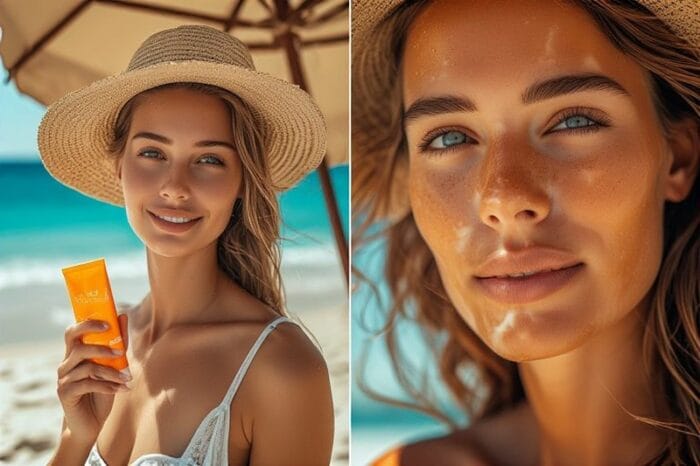
Tanning beds prove especially risky. They can triple melanoma risk. Users sometimes develop melanoma in less-exposed areas like the lower back. The concentrated UVA rays cause widespread DNA damage.
Other skin cancers like basal cell and squamous cell carcinoma also become more likely. Any tan, whether from sun or beds, counts as skin damage.
Premature Aging (Photoaging)
UV rays break down collagen and elastin. These proteins keep your skin firm and youthful. Damage leads to wrinkles, leathery texture, sagging, and dark spots.
Comparison Table: Natural Aging vs. Photoaging
| Feature | Natural Aging | Photoaging from Tanning |
|---|---|---|
| Wrinkles | Fine lines, gradual | Deep wrinkles, earlier appearance |
| Skin texture | Thins slowly | Leathery, thickened in places |
| Dark spots | Rare | Common sunspots and freckles |
| Elasticity | Slow loss | Rapid loss, sagging |
| Onset | After 40–50 | Can start in 20s–30s |
| Reversibility | Limited | Partially treatable but permanent damage possible |
Photoaging can account for up to 80% of visible skin changes. Tanning accelerates this dramatically.

Eye Damage and Immune Suppression
UV exposure harms your eyes too. It raises risks of cataracts and other issues. Frequent tanning can also temporarily weaken your immune system, making you more vulnerable to illness.
Common Myths About Tanning – Busted
Myth 1: A base tan protects you from sunburn. Reality: A base tan offers protection equal to about SPF 3 or 4. It is not meaningful. You still damage your skin while building it. This myth leads many people to overexpose themselves on vacation.
Myth 2: Tanning beds are safer than the sun. Reality: Tanning beds often deliver stronger UVA rays. They increase melanoma risk significantly. Recent studies show they cause broad DNA damage across your skin.
Myth 3: Tanning is necessary for vitamin D. Reality: You need very little sun exposure for vitamin D. A few minutes on arms and legs several times a week usually suffices. Supplements and diet provide safer sources. Tanning is never required for this nutrient.
Myth 4: If I don’t burn, I’m safe. Reality: Burning is only one sign of damage. Tanning without burning still injures DNA. People with darker skin tones can tan easily but still face risks of cancer and aging.
Myth 5: Only fair-skinned people need to worry. Reality: Everyone’s skin suffers from UV damage. Darker tones may show less burning but still develop photoaging and skin cancer.
Myth 6: Indoor tanning is a safe way to get vitamin D year-round. Reality: Tanning beds primarily emit UVA with little UVB needed for vitamin D. The risks far outweigh any minimal benefit.
Myth 7: A nice tan makes me look healthier. Reality: The opposite is true. A tan signals damage. Healthy skin glows from good care, hydration, and protection – not from UV injury.
Long-Term Consequences Most People Ignore
Many young people tan heavily in their teens and 20s. Problems often appear later. By your 30s or 40s you may see accelerated wrinkles, uneven tone, and loss of firmness.
Skin cancer can develop decades after heavy exposure. Early detection helps, but prevention works best. Regular tanning also raises chances of multiple skin cancers over a lifetime.
Personal story example: Mike started using tanning beds in college to look fit. At 42 he needed treatment for basal cell carcinoma on his shoulder. He now regrets those sessions and wishes he had known the long-term picture earlier.
Why Some People Seem to Tolerate Heat and Sun Better
You might wonder why your friend tans easily while you burn quickly. Genetics, skin phototype, and other factors play big roles. Some people handle heat and sun differently due to variations in sweat response, skin thickness, and melanin production. To understand these differences better, read our article: Why do some people tolerate heat easily while others feel unwell?
No matter your tolerance level, UV damage still occurs. Smart protection matters for everyone.
Better Alternatives to Achieve That Glow Safely
You do not need to give up looking radiant. Self-tanners, bronzing lotions, and gradual sunless products deliver beautiful color without UV risks. Modern formulas look natural and even moisturize your skin.
For real health and glow, focus on:
- Eating antioxidant-rich foods
- Staying hydrated
- Using quality skincare
- Protecting skin daily
These habits create lasting beauty from the inside out.
How to Protect Yourself: Link to Safer Sun Habits
The best approach combines enjoyment with smart choices. Check the UV index. Seek shade during peak hours. Wear protective clothing and use broad-spectrum sunscreen correctly.
For a full practical guide with schedules, phototype tests, and beach checklists, read our companion article: How to Sunbathe Safely in Summer. It shows exactly how to enjoy the outdoors responsibly.
Conclusion: Choose Long-Term Beauty Over Temporary Glow
Tanning may feel good in the moment. Yet the risks and myths surrounding it reveal a clearer picture. Your skin deserves better than temporary color at the cost of future health and appearance.
Embrace your natural tone. Protect it. Enhance it safely. You will look younger and healthier for many summers to come. Start today with better habits. Your future self will thank you.