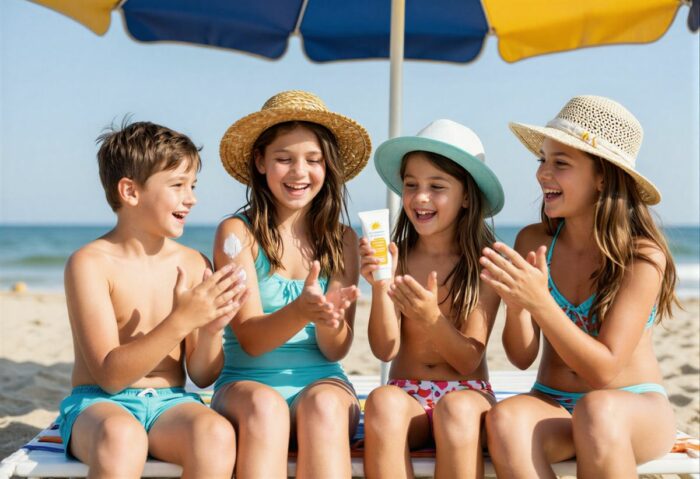
Sun protection for children and teenagers stands as one of the most important habits parents can teach. Young skin is delicate and more vulnerable to damage from ultraviolet rays. Early protection helps prevent immediate burns and reduces long-term risks like skin cancer. This comprehensive guide covers everything you need to know in an engaging, practical way.
Imagine your child laughing on the beach or playing soccer under bright skies. Fun moments like these bring joy, yet the sun’s invisible rays can harm tender skin. With smart strategies, families enjoy outdoors safely. This article explores proven methods, product choices, age-specific tips, and more. You will find tables, real examples, and actionable advice.
Why sun protection for kids and teens is so important
When it comes to sun protection for children and teenagers, the importance simply can’t be overstated. It’s crucial for keeping their skin safe from immediate harm and preventing long-term health issues down the line.
One of the main reasons for this is that kids have skin that’s noticeably thinner and more sensitive than adults. Plus, their skin usually has less melanin—the pigment that offers some natural defense against those pesky ultraviolet (UV) rays. This means that even a short stint in the sun can lead to some serious damage.
But here’s the kicker: UV exposure adds up over time. That means the sunburn they get today can have lasting effects well into adulthood. In fact, just one bad sunburn in childhood can nearly double the risk of developing melanoma, a particularly dangerous form of skin cancer, later in life.
This statistic really drives home the point: we need to take sun protection seriously. So, slather on that sunscreen, throw on a hat, and make sure those little ones are covered up. Their future selves will thank you!
Understanding UV rays and their impact on young skin
UV radiation includes UVA and UVB. UVA penetrates deeply. It causes aging and wrinkles. UVB burns the surface. Both contribute to cancer. UV rays reach earth even on cloudy days – up to 80% can pass through clouds.
Peak hours run from 10 a.m. to 4 p.m. Reflection from water, sand, or snow boosts exposure. Babies and young kids burn faster. Teen skin faces acne plus sun sensitivity from products.
Example: A fair-skinned child at the pool without protection might burn in 10-15 minutes. Darker skin tones need protection too. Melanin offers some shield but not full immunity.
Sun protection for children and teenagers: Core principles (The slip-slop-slap-seek-slide rule)
Health organizations promote simple rules. Slip on clothing. Slop on sunscreen. Slap on a hat. Seek shade. Slide on sunglasses. These steps work together. No single method suffices alone.
Age-specific guidelines for sun protection
Infants Under 6 Months Keep babies out of direct sun. Use shade, clothing, and stroller canopies. Sunscreen is usually not recommended. Skin absorbs ingredients more readily. Consult a pediatrician if needed.
Toddlers and Preschoolers (6 Months to 5 Years) Introduce mineral sunscreens. Choose broad-spectrum SPF 30+. Reapply often. Dress in lightweight long sleeves and pants. Wide-brim hats protect face and neck.
School-Age Children (6-12 Years) Kids play actively. Teach self-application. Make it fun with colorful sticks or sprays. Encourage shade during recess. Use UPF clothing for sports.
Teenagers Teens face peer pressure for tanning. Address myths directly. Provide their own sunscreen. Discuss skin cancer risks and photo-aging. Many like lightweight gels or tinted options that fit makeup routines.
Choosing the right sunscreen: mineral vs. chemical
Mineral sunscreens (zinc oxide, titanium dioxide) sit on skin and reflect rays. They suit sensitive skin and young children. Chemical ones absorb rays and convert them to heat. They feel lighter but may irritate.
| Feature | Mineral Sunscreen | Chemical Sunscreen |
|---|---|---|
| Active Ingredients | Zinc Oxide, Titanium Dioxide | Avobenzone, Oxybenzone, etc. |
| How it Works | Reflects UV rays | Absorbs UV rays |
| Best For | Babies, sensitive skin, toddlers | Teens, daily lightweight use |
| White Cast | Possible (modern formulas less) | None |
| Water Resistance | Good (check label) | Often excellent |
| Application | Thicker, reapply carefully | Lighter, easier spread |
Always pick broad-spectrum SPF 30 or higher. Water-resistant for swimming.
Real Example: Sarah applied mineral stick to her 3-year-old at the beach. Easy reapplication during play. No tears, good coverage.
How to apply sunscreen correctly
Use about one ounce (shot glass full) for an adult body. Scale for kids. Apply 15-30 minutes before going out. Cover all exposed skin. Reapply every 2 hours or after swimming/sweating.
Common mistake: Too little product. Most people use half the needed amount. Teach kids to cover ears, neck, tops of feet, and hands.
Tip for Teens: Set phone reminders for reapplication during sports or outings.
Sun-protective clothing and UPF ratings
Clothing offers reliable barriers. Look for UPF 50+ labels. Tight weaves work better than loose. Darker colors and synthetics often protect more than light cotton.
Rash guards excel for water play. Leggings or pants with UPF keep legs safe. Hats with 3-inch brims shield face, ears, neck. Sunglasses need 99-100% UV protection.
| Item | Recommended Features | Protection Level |
|---|---|---|
| Shirt | Long sleeve, UPF 50+, lightweight | Excellent |
| Pants/Leggings | UPF fabric, breathable | High |
| Hat | Wide brim, neck flap option | High for head |
| Sunglasses | UV400 or 100% UV block | Essential for eyes |
Seeking shade and timing activities
Stay in shade during peak hours. Use umbrellas, trees, or pavilions. Plan outdoor play for morning or late afternoon. Even shade needs sunscreen because of reflection.
Example: Family picnic under a big tree with canopy. Kids played cards instead of running in open sun at noon. Less fatigue, no burns.
Sun protection for children and teenagers during sports and study
When children and teenagers engage in sports, they not only move actively but also expose themselves to sunlight, which can lead to increased sweating. Therefore, it is crucial to choose sunscreen products with sweat-resistant formulas. These products will help protect delicate skin even during the most intense workouts. And don’t forget to reapply sunscreen during breaks — this is the key to reliable protection!
In educational institutions, there are sometimes specific rules regarding the use of sunscreen. In such cases, it is worth taking the initiative to advocate for the creation of shaded areas on sports fields, as well as for allowing the use of sunscreen in schools. This will help create a safer and more comfortable environment for children and teenagers.
For teenagers involved in team sports, sharing inspiring stories of successful athletes who take care of their skin by protecting it from harmful sun exposure while continuing to achieve high results can be beneficial. These examples can serve as great motivation for young people, showing that caring for health and protecting skin not only does not hinder but also supports their success in sports.
Myths about sun protection debunked
Myth: Darker skin needs no protection. Fact: All tones risk damage and cancer.
Myth: Sunscreen blocks all vitamin D. Fact: Short safe exposure or diet/supplements suffice. See our guide How to sunbathe for maximum vitamin D benefits.
Myth: Cloudy days are safe. Fact: UV penetrates clouds.
Myth: One application lasts all day. Fact: Reapply regularly.
Myth: Tanning is healthy. Fact: Tan signals DNA damage.
Special considerations: pregnancy, chronic conditions, and sunburn recovery
Pregnant mothers or those with conditions need tailored advice. Check our related article Sunbathing during pregnancy and with chronic diseases for safe practices.
If sunburn happens despite efforts, act fast. Cool compresses, hydration, aloe, and pain relief help. Avoid popping blisters. See What to do for sunburn: quick help and recovery for detailed steps.
Building Habits That Last: Education and Fun Ideas
Make protection playful. Use apps that track UV index. Reward consistent habits. Role model as parents. Discuss skin health with teens using real photos or stories, not scare tactics.
Family challenges: “Sun-safe superhero week” with points for hats, sunscreen, shade.
Choose reef-safe options for beach days. Avoid certain chemicals if concerned. Modern mineral formulas feel great and rub in well. Check EWG ratings or dermatologist picks for trusted brands.
For teens: Tinted sunscreens double as light makeup. Lip balms with SPF are easy wins.
Nutrition, Hydration, and Overall Skin Health
Support skin from inside with antioxidants: fruits, vegetables, omega-3s. Stay hydrated. Healthy skin recovers better from minor exposure.
Sun protection for children and teenagers creates confident, healthy outdoor enthusiasts. Small consistent actions yield lifelong benefits. Start today. Your kids will thank you with glowing, cancer-free skin in decades ahead.