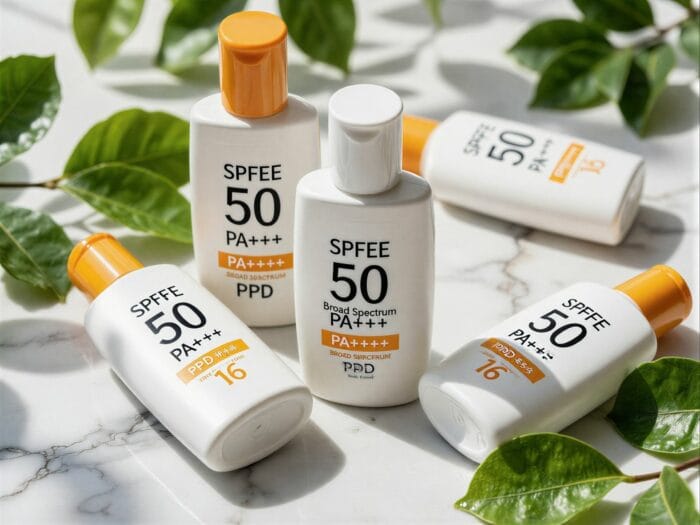
You pick up a sunscreen bottle and see a confusing mix of letters and numbers. SPF 50, PA++++, broad spectrum, PPD 16. It feels overwhelming. Yet understanding SPF PPD PA UVA UVB protection changes how you enjoy the sun safely and confidently. This guide explains everything in simple terms so you can choose the right protection and keep your skin healthy for years.
Why these letters matter more than ever?
Sunlight feels wonderful on your skin. But invisible ultraviolet rays can cause burns, aging, and more serious issues. Different rays affect your skin differently. That is why labels use several systems to show protection levels. Once you decode SPF PPD PA UVA UVB, shopping for sunscreen becomes easy and effective.
You will learn exactly what each term means. You will see real examples and comparisons. By the end, you will feel empowered to protect yourself and your family smartly. Let us dive in.
Understanding UVA and UVB rays first
UVA rays have longer wavelengths. They penetrate deeply into your skin. These rays reach the dermis layer where collagen and elastin live. They cause premature aging, wrinkles, dark spots, and loss of firmness. UVA rays stay strong all day and pass through glass. They contribute to skin cancer over time.
UVB rays have shorter wavelengths. They mainly affect the outer layer of your skin. These rays cause sunburns and play the biggest role in immediate burning. UVB intensity changes with time of day, season, and location. Both types damage DNA in skin cells. That is why broad protection matters.
Real-life example: Imagine two friends at the beach. One wears sunscreen with good UVB protection but weak UVA coverage. She avoids burns but develops deep wrinkles and spots earlier. The other chooses balanced SPF PPD PA UVA UVB protection. Her skin stays smoother and more even for longer.
SPF Explained: Your shield against burning
SPF stands for Sun Protection Factor. It measures how well a product protects against UVB rays. The number tells you how much longer you can stay in the sun without burning compared to unprotected skin.
SPF 30 means you can stay in the sun 30 times longer before burning. SPF 50 gives 50 times longer protection. Yet the real difference is smaller than you think. SPF 30 blocks about 97% of UVB rays. SPF 50 blocks around 98%. Higher numbers give only marginal extra protection. That is why experts recommend SPF 30 or higher combined with proper application.
Apply enough product. Most people use too little and cut protection in half. Use about one ounce for your whole body. Reapply every two hours or after swimming.
SPF PPD PA UVA UVB protection works best when you understand these limits. SPF alone does not cover everything.
PPD: The persistent pigment darkening test
PPD stands for Persistent Pigment Darkening. This test measures protection against UVA rays. It checks how much UVA exposure is needed to cause skin darkening after applying sunscreen.
Higher PPD numbers mean stronger UVA protection. A PPD of 8 or higher offers good defense. Many European and Asian sunscreens list PPD values directly. They give you a clearer picture than SPF alone.
Practical example: You plan a long drive. UVA rays come through car windows. A sunscreen with high PPD protects against deep damage even if you never burn. This prevents photoaging during daily activities.
PA Rating: The Japanese UVA protection system
PA means Protection Grade of UVA. This popular system comes from Japan. It uses plus signs based on PPD results.
- PA+ — Low protection (PPD 2–4)
- PA++ — Moderate protection (PPD 4–8)
- PA+++ — High protection (PPD 8–16)
- PA++++ — Extremely high protection (PPD 16+)
Look for PA++++ whenever possible. It gives the best defense against aging rays. Many modern formulas now carry this top rating.
Comparison Table: PA Ratings vs Protection Level
| PA Rating | PPD Range | Protection Level | Best For | Example Use Case |
|---|---|---|---|---|
| PA+ | 2–4 | Low UVA | Short indoor exposure | Office days with window light |
| PA++ | 4–8 | Moderate | Daily commuting | Walking to work |
| PA+++ | 8–16 | High | Outdoor activities | Weekend hikes |
| PA++++ | 16+ | Very High | Beach, sports, long exposure | Full beach day or vacation |
This table helps you match protection to your lifestyle. Always combine strong PA with good SPF.
Broad spectrum: The complete protection you need
Broad spectrum means the sunscreen protects against both UVA and UVB rays. This label is crucial. It ensures balanced coverage. Without it, you might block burns but still suffer deep aging and DNA damage.
In many countries, regulations require broad spectrum claims to meet minimum standards. Check for this phrase on every bottle.
Mineral vs Chemical filters: How they work?
Mineral sunscreens use zinc oxide or titanium dioxide. They sit on top of skin and reflect rays. They often feel thicker but suit sensitive skin well.
Chemical filters absorb UV rays and turn them into heat. They feel lighter and invisible. Many modern formulas blend both types for better texture and performance.
Choose based on your skin. Sensitive or acne-prone types often prefer mineral. For everyday wear, lightweight hybrids work great.
How SPF, PPD, PA, UVA, UVB work together?
These systems complement each other. SPF focuses on UVB burning. PPD and PA measure UVA aging protection. Broad spectrum ties them together.
Ideal combination for most people: SPF 30–50 + PA++++ + broad spectrum. This gives strong SPF PPD PA UVA UVB protection for daily life and beach days.
Example scenario: You go hiking on a sunny mountain. High SPF prevents burns. High PA and PPD stop long-term wrinkles and spots. You enjoy the day and protect your skin at the same time.
Common myths about sunscreen rRatings
Many people believe higher SPF means total protection. Reality shows proper application and reapplication matter more. Others think UVA protection is less important. Yet UVA rays cause most visible aging.
Some avoid sunscreen fearing it blocks vitamin D. Short incidental exposure plus diet or supplements usually suffice safely. For deeper understanding of individual differences in sun and heat response, check our article Why do some people tolerate heat easily while others feel unwell?
Why tanning still feels tempting?
That golden glow looks attractive. But it signals damage. To learn more about hidden costs, read Why tanning isn’t always a good thing: risks and myths. True confidence comes from healthy skin, not temporary color.
Practical tips for choosing and using sunscreen
Check the label for broad spectrum, SPF 30+, and high PA rating. Consider your skin type, activities, and location. Test textures on your wrist first.
Apply 15–20 minutes before going outside. Reapply generously. Set phone reminders. Combine with hats, clothing, and shade for best results.
For complete strategies including schedules and checklists, see our main guide How to Sunbathe Safely in Summer. It ties everything together beautifully.
Special considerations for different situations
Children need gentle mineral formulas. Pregnant women often prefer mineral options. Athletes require water-resistant versions with high ratings. Darker skin tones still need strong SPF PPD PA UVA UVB protection even if burning is less visible.
Advanced tips for maximum protection
Layer correctly. Use antioxidants in skincare. Check UV index daily. Adjust protection level based on altitude, reflection from water or sand, and time of year.
Building a smart Sun protection habit
Start simple. Pick one reliable product with good ratings. Use it daily. Notice how your skin looks and feels after a few months. Many report fewer spots and smoother texture.
Expanded Comparison Table: Protection Systems Side by Side
| Feature | SPF | PPD | PA Rating | Broad Spectrum |
|---|---|---|---|---|
| Measures | UVB protection | UVA protection | UVA (based on PPD) | Both UVA + UVB |
| Scale | Number (15, 30, 50+) | Number (higher = better) | + signs (up to ++++ ) | Yes/No label |
| Main Benefit | Prevents burning | Prevents deep damage | Easy grading for consumers | Complete coverage |
| Typical Recommendation | 30+ | 8+ (ideally 16+) | PA+++ or PA++++ | Always required |
| Everyday Relevance | High for outdoor time | High for aging prevention | Very useful for shopping | Essential baseline |
Use these tables when shopping. They make decisions faster.
The science behind the numbers in simple terms
UV rays interact with your skin cells. Sunscreen ingredients create physical or chemical barriers. Each rating system tests real biological responses. Laboratories measure how much radiation reaches living skin models. These standards evolve but core principles stay reliable.
Real user stories and transformations
Emma used basic SPF 15 for years. She burned rarely but noticed fine lines in her late 20s. Switching to SPF 50 + PA++++ changed her skin. Friends now ask for her “secret” routine. She simply understands SPF PPD PA UVA UVB protection.
Mark travels for work. He keeps a high-PA sunscreen in his bag for unexpected sunny days. His dermatologist notes fewer sunspots during check-ups.
Future of sun protection labels
New filters and testing methods improve options. Yet core knowledge of these letters remains your best tool. Stay informed but focus on consistent habits.
Making it part of your lifestyle
Keep sunscreen visible. Pair it with morning routines. Teach kids early. Share knowledge with friends. Small choices create big differences over time.
Conclusion: Knowledge is your best sunscreen
Understanding SPF PPD PA UVA UVB takes the guesswork out of protection. You can enjoy summer, travel, and outdoor life without worry. Choose wisely. Apply generously. Reapply often. Your future skin will glow with health and youthfulness.
Start today. Pick a good product and build the habit. You deserve to feel confident in the sun.