Stepping off the beach after a perfect day, only to notice your skin turning an angry red. That familiar sting hits, and you realize you need real answers on what to do for sunburn right now. This guide covers everything from immediate relief to full recovery. You will learn practical steps, home remedies, and when to seek help. Follow along for soothing strategies that work.
What to do for sunburn starts the moment you feel the burn. Quick action prevents worse damage and speeds healing. Many people underestimate how fast skin reacts to too much UV exposure. Yet simple choices make a huge difference.
Understanding sunburn and why it happens
Sunburn occurs when ultraviolet rays damage skin cells. Your body responds with inflammation, redness, and pain. Fair skin burns faster, but anyone can suffer. Factors like time of day, altitude, and reflection off water or sand increase risk.
Knowing this helps you act fast. What to do for sunburn depends on severity. Mild cases redden and sting. Severe ones blister, swell, and cause fever. Act early in every case.
Immediate steps: quick help for sunburn relief
Get out of the sun immediately. Head indoors or find shade. This stops further damage. Remove tight clothing that traps heat on affected areas.
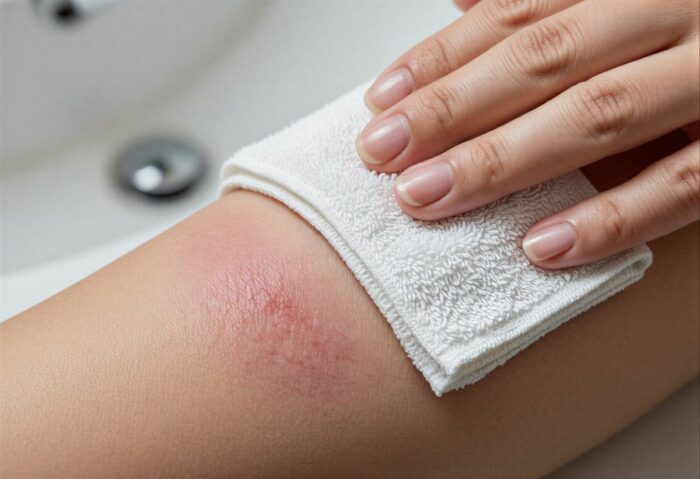
Cool the skin gently. Take a cool shower or bath. Avoid ice-cold water, which shocks the skin. Add baking soda or colloidal oatmeal for extra soothing. Apply a cool, damp towel for 10-15 minutes several times a day. These actions lower skin temperature and reduce inflammation fast.
What to do for sunburn pain comes next. Take an over-the-counter pain reliever like ibuprofen or acetaminophen soon after exposure. These reduce swelling and discomfort. Follow dosage instructions carefully.
Drink plenty of water. Sunburn pulls fluid to the skin surface, raising dehydration risk. Sip water or electrolyte drinks throughout the day. Hydration supports recovery from inside out.
Soothing the skin: Best remedies and applications
Aloe vera stands out as a top choice. Apply pure gel straight from the plant or a high-quality store product. Keep it in the fridge for extra cooling. Aloe calms inflammation and moisturizes without clogging pores.
Moisturize while skin is still damp after bathing. Use lotions with soy or aloe. Avoid petroleum-based products that trap heat. Reapply often to lock in moisture as skin heals.
Consider 1% hydrocortisone cream for moderate burns. Use it sparingly for a few days. This helps with itching and redness. Test a small area first if you have sensitive skin.
What to do for sunburn blisters requires care. Leave them intact. They protect the healing skin underneath. If one breaks, clean gently with mild soap and water. Apply antibiotic ointment and cover with a nonstick bandage.
Avoid these common mistakes. Do not use butter, oil, or alcohol-based products. They worsen irritation. Skip harsh scrubs or peeling skin manually. Let it shed naturally.
Daily recovery routine for faster healing
Build a routine around cooling, moisturizing, and protecting. Start mornings with a cool compress. Follow with aloe or lotion. Stay indoors during peak sun hours. Wear loose, breathable cotton clothing that covers burned areas.
Eat anti-inflammatory foods. Include berries, leafy greens, and fatty fish. These support skin repair with antioxidants and healthy fats. Avoid alcohol and caffeine, which dehydrate you further.
Sleep with a light sheet. Elevated body heat slows recovery. Keep the room cool and use a fan if needed.
Comparing home remedies: What works best?
Here is a helpful table comparing popular options:
| Remedy | How to Use | Benefits | Potential Drawbacks | Best For |
|---|---|---|---|---|
| Aloe Vera | Apply gel 3-4 times daily | Cools, moisturizes, anti-inflammatory | May stick if not pure | Mild to moderate burns |
| Cool Compress/Bath | 10-15 min sessions, several times | Reduces heat and pain quickly | Temporary relief only | All severities |
| Oatmeal Bath | Add colloidal oatmeal to cool water | Soothes itching and inflammation | Messy cleanup | Itchy or widespread burns |
| Hydrocortisone Cream | Thin layer 2-3 times daily | Reduces swelling fast | Not for open blisters | Moderate inflammation |
| Pain Relievers (OTC) | As directed, early use | Eases pain and swelling | Stomach upset if overused | Pain management |
Choose based on your symptoms. Combine several for better results. Always patch-test new products.
Long-term skin recovery and prevention
Peeling usually starts in a few days. Moisturize heavily during this phase. New skin emerges sensitive, so protect it. Sunburn increases skin cancer risk over time. Learn proper sun safety moving forward.
Compare recovery timelines roughly:
- Mild sunburn: 3-5 days for redness to fade.
- Moderate: 1-2 weeks with peeling.
- Severe: May need weeks and medical care.
Everyone heals differently. Factors like age, skin type, and overall health play roles. Stay patient and consistent.
For those interested in balanced sun exposure, check out our guide on How to sunbathe for maximum vitamin D benefits. It explains safe ways to gain advantages without burning.
If you have special conditions, read Sunbathing during pregnancy and with chronic diseases for tailored advice.
Advanced care: When home remedies are not enough?
Watch for infection signs: increasing pain, pus, red streaks, or fever. Seek medical help immediately. Severe burns with chills, nausea, or large blisters also need professional attention. Doctors may prescribe stronger creams or check for complications.
Children, elderly people, and those with fair skin face higher risks. Monitor them closely.
Lifestyle adjustments during recovery
Limit activity that causes sweating. Sweat irritates burned skin. Rest more. Your body works hard to repair damage.
Use fans or air conditioning for comfort. Avoid direct heat sources like hairdryers on affected areas.
Real-Life examples of sunburn recovery
Sarah enjoyed a sunny vacation but forgot sunscreen. Her shoulders burned badly. She cooled them with baths, applied aloe hourly, and drank extra water. Within a week, peeling stopped and skin calmed. She now reapplies sunscreen religiously.
Mike, an outdoor worker, developed blisters on his neck. He left them alone, used hydrocortisone carefully, and covered the area. Healing took longer but avoided infection. His story shows patience pays off.
These examples highlight what to do for sunburn in real situations. Small consistent actions lead to better outcomes.
Building sun-smart habits for the future
Prevention beats treatment every time. Use broad-spectrum SPF 30+ sunscreen. Reapply every two hours or after swimming. Wear hats, sunglasses, and protective clothing. Seek shade midday.
UV index apps help plan outdoor time. Even cloudy days need protection since rays penetrate.
What to do for sunburn includes listening to your body. Rest when tired. Nourish skin from within. Celebrate small improvements like less redness each day.
Expand routines with weekly gentle exfoliation once healed. Use mild products. Maintain hydration year-round for resilient skin.
Discuss different skin tones. Darker skin shows burn as darkening or tenderness rather than bright red. Treatment principles stay similar but watch for uneven pigmentation.
Include more comparative examples across age groups: teens at pool parties, parents with kids, seniors on cruises. Each has unique challenges and solutions.